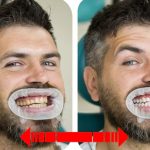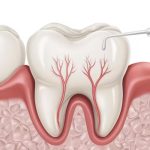

Living with a deep overbite can affect more than just how you look in photos. When your top teeth overlap your bottom teeth too much, it can cause jaw pain, worn-down teeth, and even trouble speaking clearly.
Many people think that only old-fashioned metal braces are strong enough to fix a big problem like this. However, clear aligner technology has improved a lot lately, making it a great choice for many tough cases.
Understanding how these clear trays move your teeth and your jaw is the first step in deciding if this hidden path is the right way to help your health and your daily life.
How Do Clear Trays Move The Jaw Into Place?
In the past, clear trays were only for small gaps, but today they can fix complex bite issues.
To fix a deep overbite, dentists often use “attachments” or tiny, tooth-colored bumps that help the trays grip your teeth better.
When you start looking for Invisalign near you, you will see that these modern tools help the aligners pull the bottom jaw forward. At the same time, they push the front teeth into the right vertical spots.
This double action levels out your bite and makes your face look more balanced without needing heavy metal wires or headgear.
What Happens During The Treatment For A Deep Bite?
- 3D Scanning: A computer map of your mouth is made to plan every tiny move.
- Special Bumps: Small dots are glued to your teeth to give the trays extra “pushing” power.
- Rubber Bands: Just like metal braces, clear trays can use small elastics to pull the jaw forward.
- Bite Ramps: These are built into the trays to keep you from biting down too hard on your back teeth.
- Daily Pressure: Wearing the trays for 22 hours a day slowly reshapes the bone to hold your new bite.
Comparing Clear Aligners and Metal Braces
| Feature | Clear Aligners | Metal Braces |
| Look | Almost invisible plastic | Noticeable metal and wires |
| Feeling | Smooth edges; no poking | Can scratch cheeks and lips |
| Food | Take them out to eat anything | Must avoid sticky or hard foods |
| Cleaning | Easy to brush and floss | Hard to clean around the metal |
| Time | Usually 12 to 18 months | Often 18 to 24 months |
Why Do You Need To See A Professional For Help?
Fixing a major bite problem is a medical process that needs an expert to make sure your tooth roots stay healthy. Talking to a dentist near you allows for regular checkups to make sure your teeth are moving exactly like the computer plan said they would.
During these visits, the pro can make small changes, like adding new bumps to help a stubborn tooth turn.
This hands-on care keeps your teeth from tilting the wrong way. It ensures that the final result isn’t just a pretty smile, but a healthy mouth that works right for a long time.
The Health Benefits Of Fixing An Overbite
- Less Tooth Damage: Fixing the bite stops your bottom teeth from hitting the back of the top ones.
- Jaw Relief: Good alignment can stop the clicking and popping sounds in your jaw.
- Easy Cleaning: Straight teeth are much easier to floss, which stops gum disease.
- Better Speech: Closing the gap between teeth can help get rid of a lisp.
- Gum Safety: It stops your bottom teeth from biting the roof of your mouth and causing sores.
What To Expect At A Dental Clinic?
If you are ready to see if this works for you, visiting a dental clinic in London will give you a clear answer.
During your first visit, the team will use a special scanner to show you a “before and after” picture of your smile on a screen. You can see exactly how the overbite will get smaller over time.
The dentist will also check if your jawbone and gums are strong enough for the move. This careful planning is what makes modern tray therapy so successful, even for people with a very deep overbite.
Is Surgery Ever Needed For A Big Overbite?
While clear aligners work wonders for most people, some overbites are caused by the shape of the bone, not just the teeth. In these rare cases, the trays might be used along with a small surgery to get the best result.
However, for most adults and teens, the high-tech plastic and rubber bands are enough to fix the bite.
Your provider will tell you during your first exam if your case is just about your teeth or if your jawbone needs a little extra help to reach the right spot.
Get a Healthy and Balanced Smile
Fixing a deep overbite is a great way to help your future comfort and health. You don’t have to live with a bite that causes pain or makes you feel shy.
With new technology and a helpful team, you can get a straight, healthy smile without any metal wires. The path to a better bite is easier and more private than ever before. You deserve to smile with pride and eat without any pain.
At Horizon Dental Care, we are here to help you through your change with the best tools and personal care.
Are you ready to see if clear trays can fix your bite and help your confidence? Contact Horizon Dental Care today to set up a visit and start your journey to a perfect smile
Frequently Asked Questions
Can Invisalign fix a severe overbite?
Invisalign can correct many deep overbites using attachments, bite ramps, and elastics. However, whether it can treat a severe overbite depends on whether the problem is mainly related to tooth position or the underlying jaw structure.
How does Invisalign correct a deep overbite?
Invisalign uses controlled pressure to gradually move the teeth into better positions. Attachments, elastics, and bite ramps can provide additional support to help improve the bite and reduce excessive overlap between the upper and lower teeth.
How long does Invisalign take to correct an overbite?
Treatment time varies depending on the severity of the overbite and the planned tooth movements. The clear aligner treatment may take around 12 to 18 months, although your dentist can provide a more accurate timeline.
Can a severe overbite require surgery?
In some cases, surgery may be needed when the overbite is caused by the underlying jaw structure rather than tooth position alone. Your dentist can determine whether aligners are sufficient or whether additional treatment may be required.
Is Invisalign better than braces for a severe overbite?
Neither option is automatically better for every severe overbite. Invisalign offers a discreet and removable alternative, while traditional braces may also be used for complex bite problems.
How many hours a day should I wear Invisalign for an overbite?
It is recommended that Invisalign aligners be worn for around 22 hours a day. They should generally be removed only for eating, drinking, and oral hygiene to maintain consistent pressure on the teeth.