Teeth can become darker or stained over time. Coffee, tea, red wine, tobacco, some foods, and ageing can change the colour of your teeth. Some stains are on the surface of the teeth, while others are deeper inside. Brushing and regular dental care can help reduce some stains, but they may not remove all discoloration. Teeth whitening treatment may help make natural teeth look lighter and improve the appearance of your smile. The right option depends on the type of stain, the health of your teeth, and the results you want.
If brushing does not improve tooth colour, teeth whitening treatment in London may help. Professional whitening uses dental products and may give more noticeable results. A dental checkup can help you know if whitening is right for you.
What Causes Tooth Stains?
Tooth stains can develop for different reasons. Knowing what causes them can make it easier to choose the right way to manage them.
Common causes include:
Coffee, tea, cola, and red wine
Tobacco or smoking
Dark-coloured foods and drinks
Plaque buildup
Age-related changes to tooth colour
Certain medicines or dental conditions
Surface stains may respond well to professional cleaning, while deeper stains may require whitening or other dental treatments.
How Can Tooth Stains Be Removed?
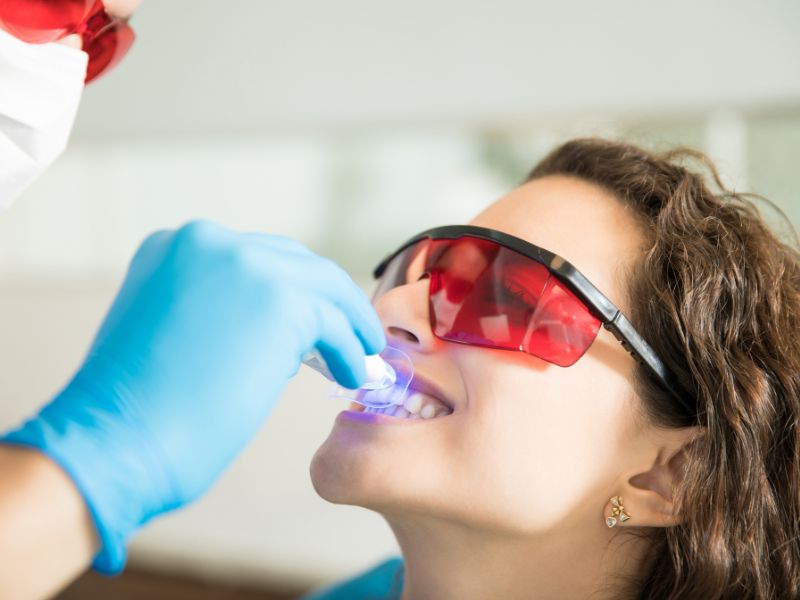
The best way to remove tooth stains depends on what caused the discoloration. A dental cleaning can help clear plaque and some surface stains. If the natural teeth have become darker over time, professional whitening may help lighten their shade.
Whitening does not work the same way on every type of stain. It also does not change the colour of fillings, crowns, veneers, or other dental restorations. A dental assessment can help identify the cause of the staining and explain which option may be suitable.
What Can Help Keep Teeth Looking Whiter?
After stains have been removed or teeth have been whitened, daily habits can help maintain the results.
Consider these simple steps:
Brush twice a day with fluoride toothpaste.
Clean between the teeth every day.
Limit frequent drinks that can cause staining.
Rinse the mouth with water after dark-coloured foods or drinks.
Avoid tobacco products.
Attend regular dental checkups and cleanings.
These habits cannot prevent every stain, but they can help reduce new surface staining and support good oral health.
When Is Professional Whitening an Option?
Professional whitening may be considered when teeth have become yellow or stained but are otherwise suitable for whitening. A dental assessment by a dentist near you can check for issues such as tooth decay, gum problems, cracks, or significant sensitivity before treatment.
A dental clinic in London can also help determine whether whitening is the right choice or whether cleaning or another form of dental care may better address the concern.
Whitening may not be suitable in every situation. Existing restorations, certain types of deep staining, and untreated dental problems may affect the expected result.
What Should Be Expected After Whitening?
Some temporary tooth sensitivity can occur after whitening. The level of sensitivity can vary from one person to another. Following the dental team’s instructions can help make the experience more comfortable.
The final shade may also vary depending on the original tooth colour and the type of staining. Whitening results are not permanent, and teeth may gradually become stained again as part of everyday eating and drinking.
Explore Your Options for a Brighter Smile!
Changes in tooth colour and stubborn stains can occur for many reasons, and the right approach may depend on the cause. A dental assessment can help determine whether professional whitening is suitable and whether any other dental concerns should be addressed first.
At Horizon Dental Care, we want you to understand your whitening options before you decide. Book your appointment to talk about your concerns, learn about your options, and find a suitable way to brighten your smile while caring for your teeth and gums.
FAQs
Can brushing remove yellow stains from teeth?
Brushing can remove plaque and some surface stains on your teeth. However, it may not remove deeper stains or discolouration that has built up over time.
How long does professional teeth whitening last?
The results can vary based on diet, oral hygiene, tobacco use, and the type of whitening used. Teeth may gradually become darker again over time.
Can whitening remove all tooth stains?
No. Whitening may improve many types of natural tooth discolouration, but some deep or unusual stains may not respond fully. An assessment can help identify the most suitable option.
Does teeth whitening damage fillings or crowns?
Whitening products are designed to lighten natural tooth structure. Fillings, crowns, veneers, and similar restorations generally do not whiten in the same way, which can create a colour difference.