Have gaps in your grin changed its appearance or made everyday eating more difficult? A smile transformation with dental implants refers to a procedure involving dental implants which helps replace missing teeth. Dental implants are placed within the jawbone to secure replacement teeth and restore the lost tooth space. The process can take some time, and there may be several phases. Furthermore, the result and the healing process will depend on different factors. These can include the condition of your gums and jawbone, how many teeth are being replaced, and what type of restoration was chosen.
Knowing what happens before, during, and after treatment helps manage your expectations.
What Are Dental Implants?
Dental implants in London are small posts placed in the jaw to support replacement teeth. After the implant area heals, a crown, bridge, or other restoration can be attached.
The goal is to create a stable replacement that fits with the surrounding teeth and supports normal activities such as eating and speaking.
Treatment may involve several stages, so the final result is not usually seen immediately after implant placement.
What Can You Expect Before Dental Implant Treatment?
Before replacing missing teeth with implants, a detailed assessment is usually needed. The teeth, gums, jawbone, and bite can be checked to determine whether implants are suitable.
The treatment plan may consider:
- Number of missing teeth
- Location of the missing teeth
- Available jawbone
- Gum health
- Condition of nearby teeth
- Overall oral health
- Type of replacement tooth needed
In some situations, additional treatment may be recommended before implant placement.
What Do Dental Implants Look Like After Treatment?
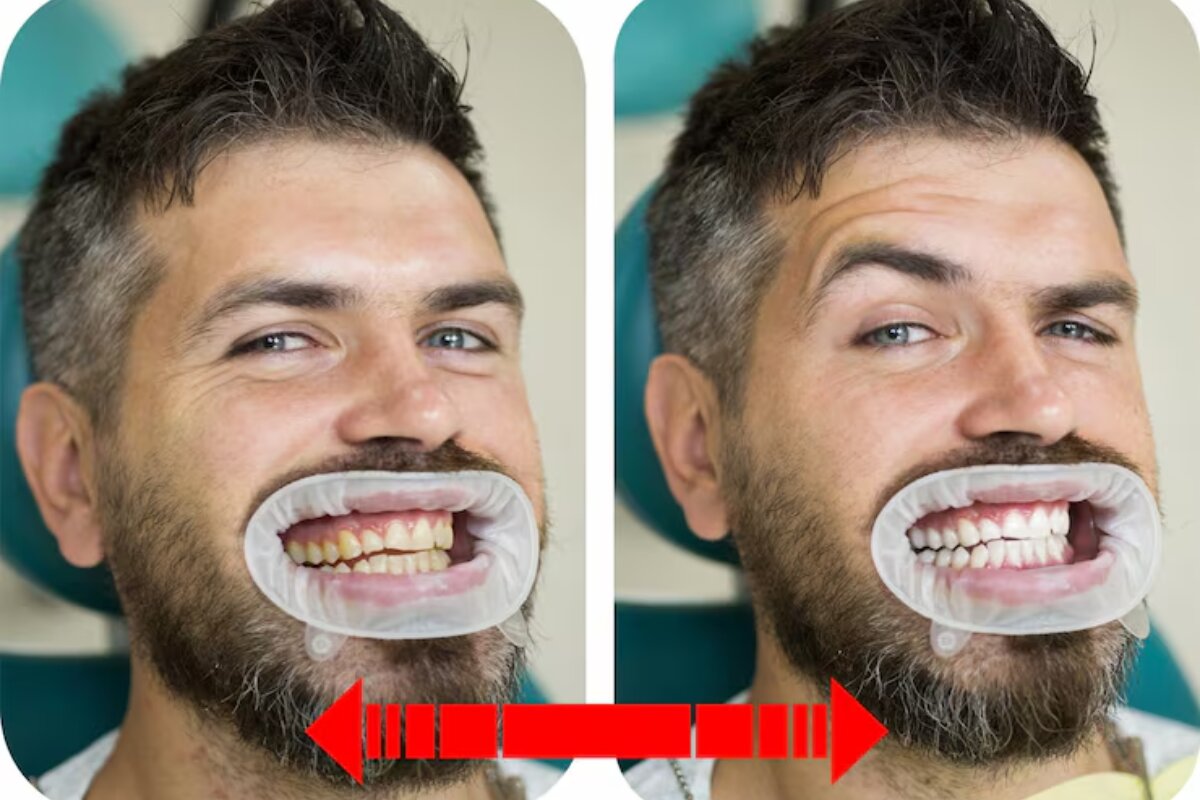
The final appearance depends on the shape, size, colour, and position of the replacement tooth. A well-planned restoration is designed to fit naturally with the surrounding teeth.
The goal is not simply to fill a space. The replacement tooth should also fit comfortably with the bite and work with the other teeth.
Results can vary, so photographs of other patients should not be treated as a guarantee of a particular outcome.
What Happens During Dental Implant Recovery?
Recovery from a dental implant happens in stages. After the implant is placed, the gums and nearby tissues need time to heal. The implant also needs time to become stable in the jaw before the replacement tooth is added.
Some swelling, soreness, or discomfort may occur after treatment. Following your dentist’s care instructions can help with healing.
During recovery, you should:
- Keep the area clean as advised.
- Follow eating instructions.
- Avoid putting pressure on the treated area.
- Take medicines as directed.
- Attend follow-up appointments.
Recovery time can be different for each person and depends on the treatment and healing process.
How Long Does Dental Implant Treatment Take?
There is no set treatment time for everyone. Some people may need fewer steps, while others may need more time because of bone or gum problems.
Factors that can affect treatment time include:
- Need for extra procedures.
- Healing time
- Number of implants
- Location of missing teeth
- Overall oral health
- How your body heals
A personalized treatment plan can give you a better idea of how long your treatment may take.
What Are the Main Benefits of Dental Implants?
For suitable candidates, dental implants can provide several benefits when replacing missing teeth.
Potential benefits include:
- A stable replacement for missing teeth
- Support for normal chewing
- A natural-looking appearance
- Restoration of a complete smile
- No need to remove the replacement tooth for daily use
- Support for the area where a natural tooth root was lost
The benefits vary based on individual needs and the type of restoration used.
How Can You Protect Your Results?
Good oral care is important after getting a dental implant. The replacement tooth cannot get a cavity like a natural tooth, but the gums around the implant still need care.
Helpful habits include:
- Brush your teeth twice a day.
- Clean between your teeth and around the implant.
- Visit your dentist in London regularly.
- Follow your dentist’s cleaning advice.
- Tell your dentist about swelling, bleeding, or ongoing pain.
Regular care can help keep your implant and gums healthy.
Take the Next Step Toward Replacing Missing Teeth!
Are you considering dental implants and want to understand what treatment, recovery, and realistic results may look like for your smile? A professional assessment can evaluate your oral health, explain your available options, and help you understand what to expect at each stage. Book an appointment with Horizon Dental Care to discuss your missing teeth and receive personalized guidance about your treatment options.
FAQs
Do dental implants look like natural teeth?
Yes. Dental implants are made to look like natural teeth. The final look depends on the replacement tooth and your individual needs.
Is recovery from dental implants painful?
Some soreness, swelling, or discomfort may occur after getting an implant. The level of discomfort can vary. Following your dentist’s care instructions can help with recovery.
Can dental implants replace several missing teeth?
Yes. Implants can support one tooth, a dental bridge, or other replacement teeth. The right option depends on how many teeth are missing and where they are.
How long do dental implants last?
Dental implants can last for many years with proper care. Good brushing, healthy gums, and regular dental visits can help keep them in good condition.