
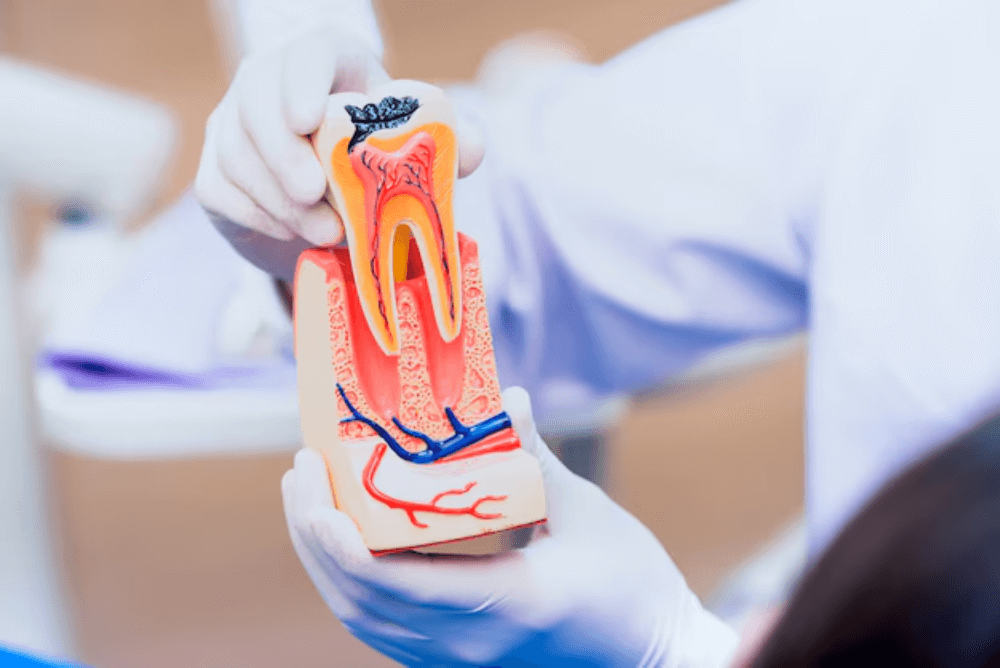
Is intense and debilitating tooth pain bothering you? Pain in the tooth could be incapacitating, affecting day-to-day life, eating, comfort level, and more. When your tooth has deep decay, infection or injury, root canal therapy in London can help. This treatment gets rid of infected pulp and nerve tissue, reduces pain and helps save the natural tooth from extraction. If you are searching for root canal therapy, understanding what to expect can help ease anxiety and guide you toward timely care.
What is Root Canal Therapy?
Root canal therapy is a dental procedure designed to remove damaged or infected pulp inside a tooth. The pulp contains nerves, blood vessels, and connective tissue, and when it becomes inflamed or infected, it can cause intense pain or sensitivity.
At a dental clinic in London, dentists assess the tooth using X-rays and determine if root canal therapy is necessary. The treatment not only alleviates pain but also prevents further infection and protects the structure of your natural tooth.
Signs You Might Need a Root Canal
Catching the symptoms early can prevent further damage to the tooth. You may need a root canal if you notice.
- A toothache that goes on like forever, or a sharp pain while chewing.
- Discomfort from the heating or cooling of food.
- Gums surrounding the problematic tooth may become swollen or tender.
- Discoloration of the tooth.
- Bumps that appear like pimples on the gums.
If you experience any of these symptoms, reaching out to a dental clinic near you can help stop the issue from escalating.
Step-by-Step Root Canal Procedure
It can help understand the process. This is how a routine root canal treatment is done.
- Examination and Imaging: The dentist examines the tooth and takes X-rays in order to map the root canals.
- Anesthesia: The area around the tooth and the tooth itself would be made numb through local anesthesia.
- Access Opening: The dentist removes the pulp from the tooth and then cleans and shapes the canals for filling.
- Filling and Sealing: Canals are filled with a material compatible with the body, and the tooth is sealed to prevent infection.
- Restoration: A filling or crown is frequently used to restore the strength of a tooth.
This guided procedure helps in eliminating tooth infection and saves the tooth for long-term usage.
Pain Management During and After Treatment
Patients often worry it might hurt. Usually, the process itself is painless as local anesthesia is used. Following the procedure, mild discomfort or sensitivity may occur, which can be managed with.
- Pain medications you can buy without a prescription are recommended by the dentist.
- Refraining from sticky or crunchy food for days.
- If swelling occurs, apply a cold compress.
Good post-treatment care for root canal patients will help them heal faster and avoid complications.
Benefits of Root Canal Therapy
Root canal therapy offers multiple advantages beyond pain relief:
- Preserves Natural Tooth: Prevents the need for extraction.
- Stops Infection: Protects surrounding teeth and gums from spreading infection.
- Restores Function: Allows normal chewing and biting.
- Aesthetic Maintenance: Keeps your smile intact with minimal visible changes.
- Long-Term Solution: When cared for, treated teeth can last a lifetime.
Recovery Tips After Root Canal Therapy
You can make a difference in healing with tooth care after the root canal therapy. Step-by-step suggestions include.
- Use a toothbrush and floss to avoid any disease.
- Please do not chew on the tooth until it is restored.
- Follow all the instructions given by a dental clinic.
- Visit for assessment and placement of restoration.
- Report any strange pain or swelling as soon as possible.
By taking these simple measures, you will have a smooth recovery and lasting results.
Common Misconceptions About Root Canals
Several myths can make patients hesitant:
- “Root canals are painful.” – Thanks to advances in anesthesia, it’s an easy procedure.
- “The tooth will die after treatment.” – The tooth continues to function without the infected pulp.
- “Extraction is better” – Generally, extraction is better to keep your natural tooth healthier and to be able to chew properly.
- “Recovery takes weeks.” Most people who undergo the procedure are back on their feet within a few days and experience very little discomfort.
Understanding the facts can help patients feel more confident about seeking treatment.
Why Early Intervention Matters
- Prevent worsening infection: Delaying treatment can allow the dental abscess to spread to surrounding teeth or your gums.
- Reduce pain and swelling: Care given shortly after the injury will prevent pain and severe swelling.
- Avoid tooth loss: Untreated teeth may become so damaged that extraction is the only option.
- Simpler treatment: Prompt intervention allows the dentist to use less invasive and quicker procedures.
- Protect overall oral health: Saving your natural tooth helps maintain proper chewing, speaking, and alignment.
- Faster recovery: Addressing issues early generally leads to shorter recovery times and fewer complications.
Take the Next Step for Pain-Free Teeth!
Relieving severe tooth pain doesn’t have to be stressful. Contact Horizon Dental Care today to schedule your consultation, learn more about treatment options, and take the first step toward a healthy, pain-free smile.
FAQs
What is the duration required for root canal treatment?
Usually, root canal therapy needs 1-to-2 visits to your dentist. One appointment may be sufficient in simple cases. However, the absence of signs of bacteria is important for the tooth to be filled.
Will the treatment hurt me in any way?
As the procedure is performed under local anesthesia, most patients do not feel any pain. One may experience some slight pressure or gentle vibration, but overall, it’s not an uncomfortable feeling. We do have sedation options available if required.
Can I eat normally after a root canal?
Yes, you can eat normally, but avoid very hard, crunchy or sticky foods, if possible, until a full restoration of the tooth has been completed with a crown or the like, to avoid irritating it. Stick to soft foods right after the procedure.
How long does the treated tooth last?
A tooth that has undergone root canal treatment can last a lifetime with proper oral hygiene and regular dental visits. The restoration that is placed at the end of treatment protects the tooth and its function and appearance.