
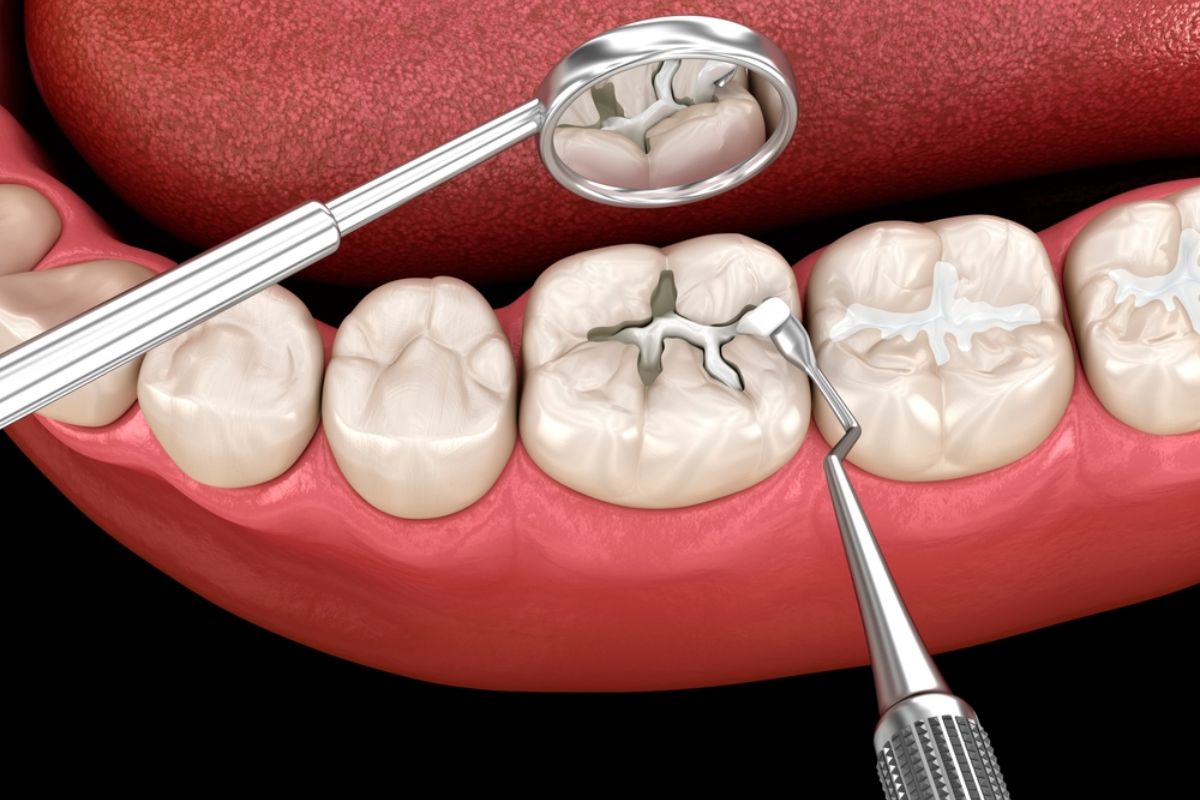
Many people only think about the dentist when they feel a sharp pain. However, waiting for an ache is not the best way to manage your oral health. If you are wondering how to tell if you require a dental filling in London, you are not alone. Cavities often start small and silent, making them hard to spot without professional help. Understanding the early warning signs can save you from more complex treatments like root canals or extractions.
Common Signs You Might Need A Filling
The most common reason for a filling is a cavity, a small hole in your tooth caused by decay. While some cavities are invisible to the naked eye, your body usually sends out a few signals.
- Temperature sensitivity: Do you feel a zing when drinking cold water or hot coffee? This often means the enamel has worn down.
- Sweet sensitivity: Pain when eating sugary snacks is a classic sign of tooth decay.
- Visible holes: Sometimes you can actually see or feel a pit or a “ditch” in your tooth with your tongue.
- Dark spots: Persistent brown, black, or grey spots on the tooth surface often indicate decay.
- Persistent food trapping: If food always gets stuck in the same spot every time you eat, a cavity might be forming there.
How Dentists Identify Tooth Decay
Even if you do not feel pain, a visit to a dentist clinic in London is the only way to be certain. Professionals use several methods to detect issues you cannot see in your bathroom mirror.
| Diagnostic Method | What the Dentist Looks For |
| Visual Exam | Discolouration, sticky enamel, or visible pits. |
| Dental Explorers | Using a specialized tool to check for “soft” spots in the tooth. |
| Digital X-rays | Decay is hidden between teeth or under old fillings. |
| Laser Fluorescence | Specialized light tools that measure tooth density. |
Why You Should Not Wait To Treat A Cavity
Ignoring a small cavity is a risky move. Unlike a cut on your skin, a tooth cannot heal itself. Once decay penetrates the hard outer enamel, it moves into the softer dentin. From there, it can quickly reach the pulp, where your nerves live. Dealing with it early is faster, cheaper, and much more comfortable.
The Process Of Getting A Filling
Modern dentistry has made getting a filling a simple, stress-free experience. Most clinics now use tooth-coloured composite resins. These materials bond directly to your tooth, making them strong and virtually invisible. The process usually takes less than an hour, and you can go back to your normal routine almost immediately.
How To Prevent Future Fillings
The best filling is the one you never have to get. Brushing twice a day with fluoride toothpaste and flossing daily are your best lines of defence. It is also helpful to limit acidic drinks and sugary snacks that feed the bacteria in your mouth.
Conclusion
If you have been searching for a reliable dental clinic near you, Horizon Dental Care is here to help keep your smile healthy. Our team focuses on gentle care and uses the latest technology to ensure your comfort. Whether you have a nagging toothache or need a routine check-up, we provide top-tier dental services for the whole family. Do not wait for a small problem to become a big one. Contact us today to book an appointment and let us help you maintain a bright, pain-free smile.
Frequently Asked Questions
Do dental fillings hurt during the procedure?
Most patients feel no pain because dentists use local freezing to numb the area around the tooth before starting work.
How long do composite fillings usually last?
With proper brushing and regular check-ups, tooth-coloured fillings typically last between 7 and 10 years before needing replacement.
Can a cavity go away with better brushing?
No, once a hole has formed in the enamel, it requires a professional filling to stop the decay from spreading.
What happens if I ignore a small cavity?
The decay will eventually reach the nerve, leading to an infection, severe pain, and the need for a root canal.
Are silver fillings better than white ones?
White composite fillings look more natural and bond to the tooth, while silver amalgams are often used for very deep cavities.